
 See Our Latest Article on HelloNation
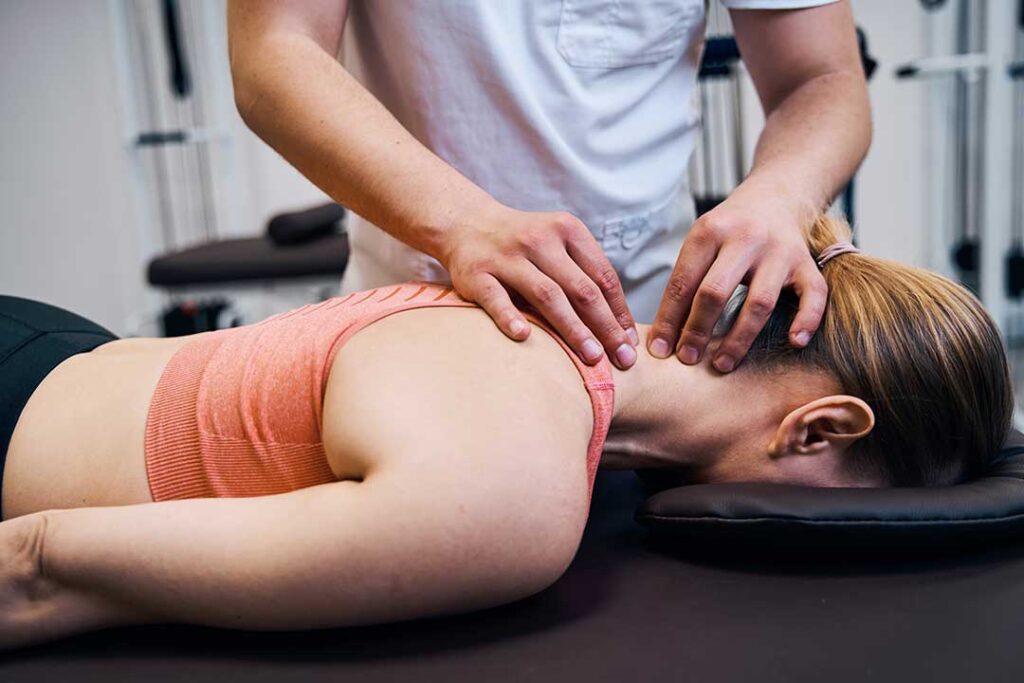
Sports injuries range from mild muscle strains to significant ligament, tendon, joint, or bone damage. Chiropractic care may help some people manage pain, restore movement, and return gradually to activity, but it is not appropriate for every injury and should not replace emergency or medical evaluation when serious damage is possible.
For residents of Lysander, NY, sports injuries may happen during organized athletics, recreational exercise, running, cycling, strength training, skating, skiing, or seasonal outdoor activities. The right response depends on the body part involved, how the injury occurred, and whether symptoms are improving.
What types of sports injuries may respond to chiropractic care?
Chiropractic care is generally most relevant to musculoskeletal problems involving the spine, joints, and surrounding muscles. It may be considered as one part of care for some cases of:
- Low-back pain after lifting, twisting, running, or contact
- Neck or upper-back discomfort related to sports posture or impact
- Joint stiffness after an injury has been medically assessed
- Muscle tightness or movement restrictions
- Some uncomplicated strains and sprains
- Repetitive-use discomfort involving the shoulder, hip, knee, or ankle
Treatment may include exercise guidance, mobility work, soft-tissue techniques, education about activity modification, and—in appropriate cases—spinal or joint manipulation. Research summarized by the National Center for Complementary and Integrative Health suggests that spinal manipulation may provide modest improvements in pain and function for some types of acute or chronic low-back pain. The evidence does not mean that manipulation treats every sports injury or speeds recovery in every athlete. ([nccih.nih.gov](https://www.nccih.nih.gov/health/spinal-manipulation-what-you-need-to-know?utm_source=openai))
How can chiropractic care support recovery?
The main goal is usually to improve function rather than simply mask pain. A careful evaluation may identify which movements are limited, which activities aggravate symptoms, and whether weakness or altered mechanics could be contributing to continued discomfort.
Chiropractic care may support recovery in several ways:
Improving joint mobility
After an injury, a person may move differently to avoid pain. That protective pattern can cause stiffness in nearby joints and place extra demand on other muscles. Gentle mobilization or other manual techniques may help restore comfortable movement when clinically appropriate.
Supporting normal movement patterns
An athlete recovering from an ankle, hip, back, or shoulder problem may develop compensations. For example, limited ankle movement can affect squatting, running, jumping, or balance. Treatment may focus on the affected area as well as related regions that are adapting to the injury.
Providing exercise and self-care guidance
A useful recovery plan often includes gradually progressing activity rather than complete rest for an extended period. Exercises may address strength, balance, flexibility, coordination, or endurance. The specific program should match the injury and the person’s current tolerance.
Helping with pain during a return to activity
Pain is useful information, but it does not always indicate that tissue damage is worsening. A qualified assessment can help distinguish expected soreness from symptoms that require further evaluation. Activity may need to be reduced, changed, or temporarily stopped if pain increases during or after exercise.
Does an adjustment heal a torn ligament, fracture, or major tear?
No. Chiropractic manipulation cannot reattach a torn ligament, repair a fracture, or substitute for surgery when surgery is medically necessary. Conditions such as a suspected broken bone, complete tendon rupture, major ligament injury, joint dislocation, or significant instability require appropriate medical assessment.
Imaging or referral may be needed when there is marked swelling, deformity, inability to bear weight, persistent instability, severe loss of motion, or pain that does not improve. Treatment decisions for injuries such as an ACL tear depend on factors including knee stability, other damage, general health, and activity goals. ([orthoinfo.aaos.org](https://orthoinfo.aaos.org/globalassets/pdfs/pls_acl-injuries_7.28.23.pdf?utm_source=openai))
A common misconception is that continuing to play through pain is always part of being tough or committed. Continuing an activity that causes sharp pain, weakness, altered coordination, or worsening swelling can delay recovery and may increase the risk of additional injury.
What should happen during an evaluation?
A sports-injury evaluation should begin with questions about the injury mechanism, symptom timing, previous injuries, training demands, medications, and relevant health conditions. The physical examination may include:
- Observation of posture, walking, running, or other movements
- Range-of-motion testing
- Strength and coordination checks
- Evaluation of swelling, tenderness, and joint stability
- Screening for nerve-related symptoms
- Consideration of whether imaging or medical referral is needed
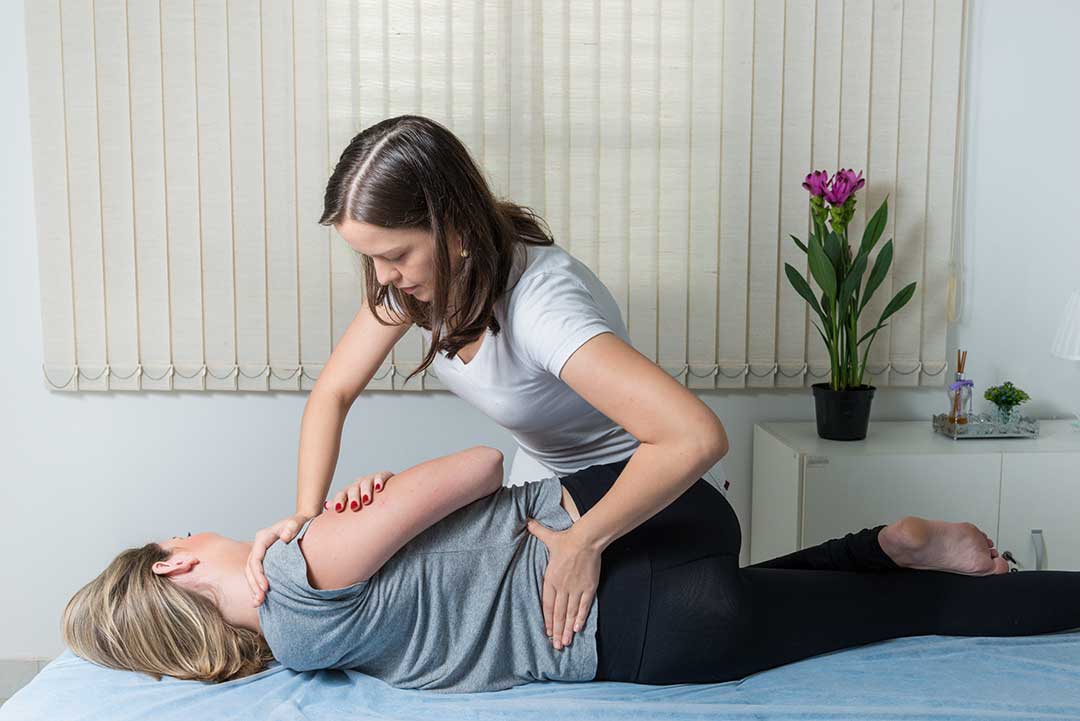
A treatment plan should be specific about what activities are acceptable, what movements should be limited, and what symptoms warrant reassessment. It should also account for work, school, household responsibilities, and seasonal conditions. During icy or uneven winter conditions, for example, a person recovering from an ankle or knee injury may need additional attention to balance and safe walking surfaces.
Is chiropractic care safe after a sports injury?
Safety depends on the diagnosis, the technique used, and the individual’s health history. Mild temporary soreness, stiffness, headache, or increased discomfort can occur after spinal manipulation and commonly resolves within a short period. Serious complications are rare, but they have been reported, and risk may be higher when underlying medical conditions are present. Patients should disclose medications, osteoporosis, bleeding disorders, recent surgery, inflammatory disease, neurological symptoms, and other significant health concerns before treatment. ([nccih.nih.gov](https://www.nccih.nih.gov/health/spinal-manipulation-what-you-need-to-know?utm_source=openai))
High-velocity neck manipulation deserves particular caution. Neck pain after a collision or fall may arise from many causes, and sudden severe headache, dizziness, weakness, numbness, trouble speaking, vision changes, or loss of coordination requires urgent medical attention rather than routine manual treatment.
What symptoms require immediate medical attention?
Some sports injuries should be evaluated urgently. Seek emergency care for symptoms such as:
- Obvious deformity or a suspected fracture
- Inability to use an arm or leg normally
- Loss of feeling, progressive weakness, or severe nerve symptoms
- Uncontrolled bleeding or rapidly increasing swelling
- Chest pain, difficulty breathing, or fainting
- Severe pain after a major collision or fall
- New confusion, repeated vomiting, seizure, or worsening headache after a head injury
A possible concussion should be treated as a brain injury, not as an ordinary neck or back strain. The athlete should be removed from play and assessed by a healthcare provider. Return to sports should follow a gradual, medically supervised progression; the CDC states that an athlete should return only with healthcare-provider approval. ([cdc.gov](https://www.cdc.gov/heads-up/guidelines/index.html?utm_source=openai))
How long does recovery take?
There is no single recovery timeline. A mild muscle strain may improve within days, while a ligament injury, tendon problem, fracture, or concussion may require weeks or longer. Recovery is influenced by the severity of the injury, sleep, nutrition, training load, previous injuries, age, and whether activity is increased too quickly.
Improvement should generally be measured by function: walking more normally, moving with less limitation, tolerating daily tasks, and gradually handling sport-specific demands. Persistent or worsening symptoms deserve reassessment rather than repeated attempts to push through them.
Chiropractic care can be a reasonable component of a broader recovery plan for selected musculoskeletal sports injuries. Its most appropriate role is usually supportive: helping with movement, symptom management, exercise progression, and return-to-activity decisions while recognizing when imaging, emergency care, physical therapy, or another medical evaluation is needed.
