
 See Our Latest Article on HelloNation
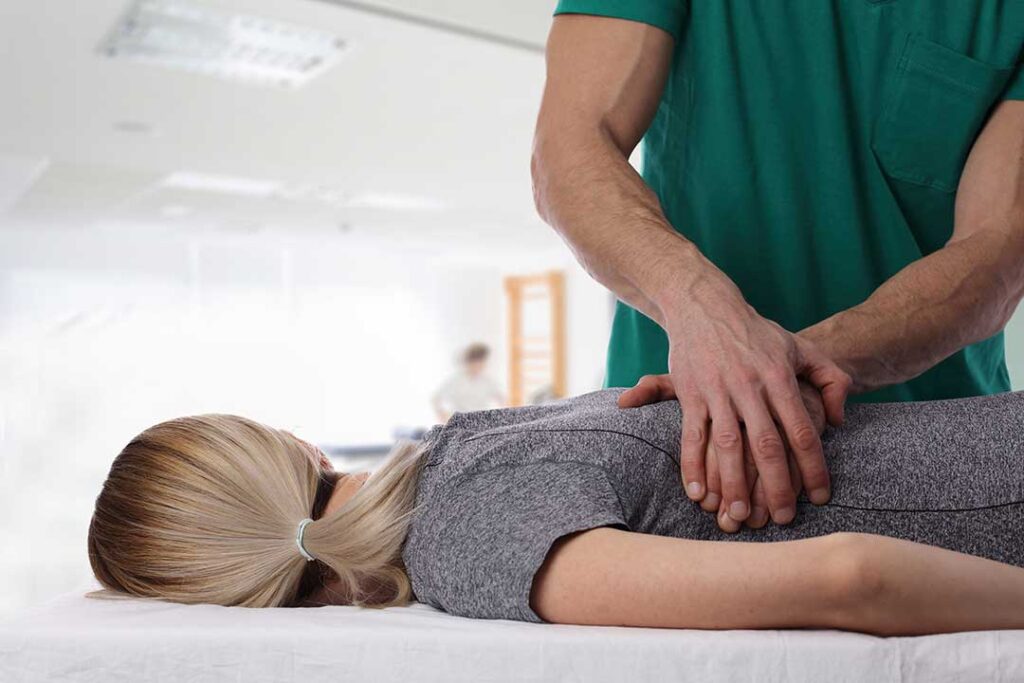
Long periods of sitting, awkward lifting, poor sleep, and rushed movement can all trigger lower back pain during travel. A few adjustments before and during a trip can reduce strain, especially for residents preparing for long drives, flights, bus rides, or winter journeys from Lysander, NY.
Why does travel often cause lower back pain?
Travel places the lower back in one position for too long. Car seats and airplane seats may not support the natural curve of the spine, while limited legroom can keep the hips and knees bent for hours. Muscles may gradually stiffen even when the position initially feels comfortable.
Luggage is another frequent source of trouble. Pain may begin when lifting a suitcase from the floor, twisting while placing a bag in a vehicle, or reaching overhead with one hand. Fatigue, disrupted sleep, and dehydration can make people less aware of their posture and movement.
Travel does not necessarily damage the spine. In many cases, symptoms result from temporary muscle irritation, joint stiffness, or aggravation of an existing condition. Most uncomplicated back pain improves with conservative self-care over several weeks. ([mayoclinic.org](https://www.mayoclinic.org/diseases-conditions/back-pain/symptoms-causes/syc-20369906?utm_source=openai))
What should you do before leaving?
Preparation is more useful than trying to correct pain after it starts. Avoid packing everything at the last minute, when hurried lifting and awkward bending are more likely.
Before a long trip:
- Pack lighter bags when possible and divide belongings between smaller pieces of luggage.
- Place frequently used items where they can be reached without deep bending.
- Wear stable, comfortable shoes rather than loose footwear that changes how you walk.
- If you already have recurring back pain, plan stops and allow extra time instead of treating breaks as optional.
- Consider how weather may affect the journey. Snow, ice, and cold temperatures can make loading vehicles, walking through parking areas, and carrying bags more physically demanding.
A short walk and gentle mobility routine before departure may help reduce stiffness. This is not the time for an unfamiliar, intense workout. Gentle walking, controlled hip movement, and comfortable stretches are generally more practical than forceful bending.
How should you sit during a long car trip?
The driver and passengers should change position regularly rather than trying to hold a “perfect” posture for hours. A balanced position is one that allows the hips to remain level, the lower back supported, and the shoulders relaxed.
For drivers:
- Move the seat close enough that the knees remain slightly bent while pressing the pedals.
- Keep the backrest upright enough to avoid leaning forward or reclining excessively.
- Adjust the steering wheel so the arms are relaxed rather than fully extended.
- Use a small rolled towel or lumbar support only if it improves comfort without pushing the back forward.
- Avoid reaching into the back seat while seated and twisted.
For passengers, place both feet on the floor when possible. Avoid sitting on a wallet, phone, or bulky object, since it can tilt the pelvis and create uneven pressure.
Plan to stop about every 60 to 90 minutes on longer drives. Walk for a few minutes, change positions, and gently move the hips and ankles. Research on sitting-related discomfort suggests that walking breaks can reduce temporary low back pain, while the CDC recommends moving the legs and walking every one to two hours during long-distance travel. ([pubmed.ncbi.nlm.nih.gov](https://pubmed.ncbi.nlm.nih.gov/36641712/?utm_source=openai))
A break does not need to become a workout. Standing, walking around a safe rest area, and taking several relaxed breaths may be enough to interrupt prolonged sitting.
What helps during air, bus, or train travel?
On aircraft, buses, and trains, limited space makes movement more difficult, but small changes still matter. Keep essential items within easy reach so that repeated twisting and bending are unnecessary.
While seated:
- Keep both feet supported when possible.
- Change leg position periodically without crossing the legs for long periods.
- Gently flex and point the ankles.
- Roll the shoulders and relax the abdominal muscles instead of bracing continuously.
- Stand and walk when it is safe and permitted.
For trips lasting more than four hours, prolonged immobility also raises the risk of blood clots in some people. Risk is higher with factors such as a previous clot, recent surgery or injury, pregnancy or the postpartum period, certain hormone treatments, cancer, or limited mobility. People with these risks should discuss travel precautions with a medical professional before leaving. ([cdc.gov](https://www.cdc.gov/blood-clots/risk-factors/travel.html?utm_source=openai))
Sudden shortness of breath, chest pain, coughing up blood, fainting, or a fast or irregular heartbeat requires immediate medical attention. These symptoms are not typical travel-related back strain. ([cdc.gov](https://www.cdc.gov/blood-clots/risk-factors/travel.html?utm_source=openai))
Is stretching during travel helpful?
Gentle movement can help, but stretching should not produce sharp pain, numbness, or electrical sensations into the leg. A practical travel routine may include:

- Slow walking for several minutes.
- Ankle pumps while seated.
- Gentle standing back-and-forth weight shifts.
- A comfortable hip stretch while holding a stable surface.
- Easy shoulder rolls and relaxed trunk movement.
Avoid forceful toe-touching, sudden twisting, or bouncing stretches, especially when the back already feels irritated. A stretch that feels mildly relieving should not leave symptoms worse later that day.
How can luggage be lifted more safely?
Luggage is safest to handle close to the body. Stand near the bag, bend through the hips and knees, keep the spine in a comfortable neutral position, and lift smoothly. Avoid combining a lift with a twist.
When placing a bag into a vehicle, first move it close to the trunk or door. Pivot with the feet instead of rotating through the waist. For overhead compartments, ask for assistance if the bag is heavy, difficult to control, or above shoulder height. Trying to manage an unstable bag alone is a common way to strain the lower back.
Rolling luggage can reduce carrying, but pulling a heavy bag behind the body for a long distance may still irritate the back or shoulder. Alternate hands and keep the bag close when possible.
What should you do if pain starts during the trip?
Do not ignore a steadily worsening ache in the hope that it will disappear after reaching the destination. Change position, walk briefly, and use a comfortable heat or cold approach if one has helped previously. Gentle activity is usually preferable to remaining in bed for long periods.
Seek prompt medical evaluation for back pain accompanied by new leg weakness, loss of bladder or bowel control, numbness in the groin area, fever, unexplained weight loss, major trauma, or severe pain that does not ease with rest. Pain that persists or fails to improve with self-care also deserves medical assessment. ([mayoclinic.org](https://www.mayoclinic.org/connected-care/when-to-see-a-doctor-for-back-pain/cpt-20470965?utm_source=openai))
For local residents traveling during icy or snowy conditions, allow extra time for walking and loading. Rushing across slippery ground while carrying luggage combines balance demands with lifting and can turn ordinary stiffness into a more serious injury.
A simple travel plan for the lower back
The most useful approach is consistent rather than complicated:
- Support the lower back without forcing it into an exaggerated arch.
- Break up sitting with regular movement.
- Lift bags close to the body and avoid twisting.
- Keep essential items accessible.
- Use gentle activity instead of prolonged bed rest.
- Pay attention to symptoms that suggest something more serious than routine muscle strain.
These habits can make long-distance travel more comfortable while helping travelers recognize when back pain needs attention beyond ordinary self-care.
