
 See Our Latest Article on HelloNation
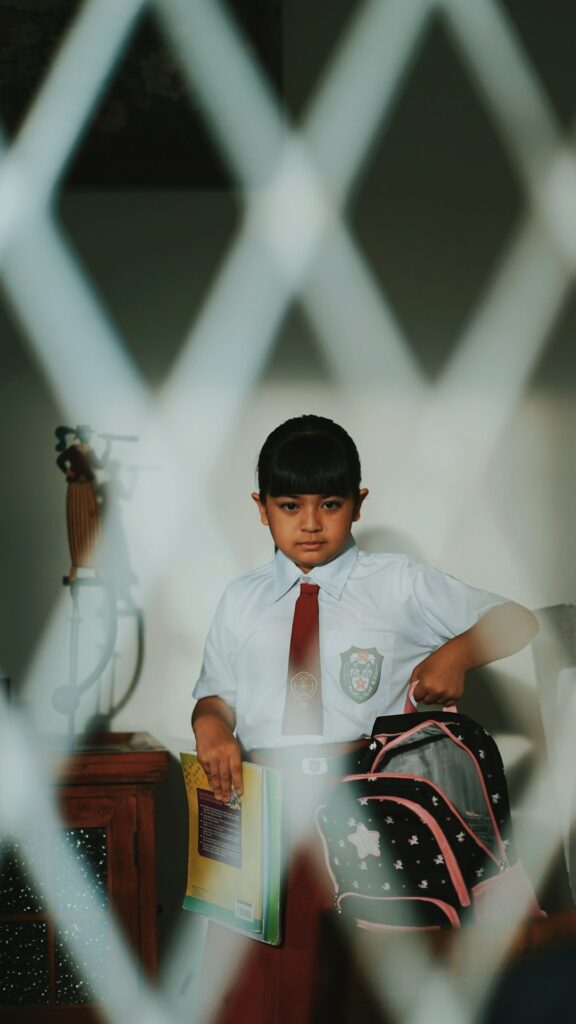
A school backpack is a practical daily tool, but its weight, fit, and carrying style can affect a child’s comfort and movement. In Lysander, NY, where some students walk, wait for buses, travel between activities, or carry gear through changing weather, backpack habits deserve attention throughout the school year—not only in September.
How heavy is too heavy for a child’s backpack?
A useful general guideline is to keep a loaded backpack at or below about 10% to 15% of a child’s body weight. This is a safety target rather than a precise medical rule, because children differ in strength, physical development, balance, and how far they carry the bag.
For example:
- A child weighing 60 pounds should generally carry no more than about 6 to 9 pounds.
- A child weighing 80 pounds should generally carry no more than about 8 to 12 pounds.
- A child weighing 100 pounds should generally carry no more than about 10 to 15 pounds.
The lower end of the range may be more appropriate for a smaller child, a child with existing pain, or a student who must walk a significant distance. The backpack should also feel manageable during real activities such as climbing stairs, getting on a bus, walking over uneven ground, or putting the bag on and taking it off.
A backpack may be too heavy even when it falls within a percentage guideline. If a child leans forward, arches the back, shrugs the shoulders, walks unusually stiffly, or struggles to lift the bag, the load should be reduced.
What parts of the body can be affected?
A heavy backpack does not usually damage a child’s spine simply because it is carried for a short period. The more common problem is temporary or recurring strain involving the muscles and joints of the neck, shoulders, upper back, and lower back.
Excess weight may cause a child to:
- Lean forward to counterbalance the load
- Tighten the neck and shoulder muscles
- Round the upper back
- Shorten the stride or change the way they walk
- Shift the backpack to one side
- Experience soreness after school or sports
- Develop pressure or tingling where straps rest
The effect can be greater when the bag hangs low, the straps are narrow, or the child carries it over only one shoulder. A poorly adjusted pack can also make a moderate load feel much heavier than it is.
Backpack use does not cause scoliosis. Scoliosis is a medical condition involving the shape of the spine, and carrying a school bag is not considered its cause. However, an overloaded or poorly fitted backpack can contribute to discomfort and poor movement habits.
Why does backpack fit matter as much as weight?
A properly fitted backpack keeps the load close to the child’s body and distributes pressure across both shoulders. A bag that is too large, too loose, or hanging below the lower back creates more pulling force and may encourage slouching.
Look for these features:
- Two wide, padded shoulder straps
- A padded back panel
- A size that fits the child’s torso rather than extending far below the waist
- Several compartments for distributing supplies
- A waist or chest strap when available and comfortable
Both shoulder straps should be used. Wearing a backpack on one shoulder may look convenient, but it shifts the load unevenly and can increase muscle fatigue on one side.
The bottom of the backpack should rest near the child’s waist, not several inches below it. The straps should be adjusted so the pack stays close without pressing tightly into the neck or restricting arm movement.
How should a backpack be packed?
The heaviest items should be placed closest to the child’s back. Books, binders, or electronic devices should not sit far away from the body, where they create more leverage and make the pack feel heavier.
A simple packing routine can help:
- Remove papers, sports equipment, lunch containers, and personal items that are not needed that day.
- Place heavier objects in the main compartment near the back panel.
- Use smaller compartments to prevent supplies from shifting.
- Keep sharp or rigid objects away from the child’s back.
- Avoid carrying extra water bottles, books, or clothing when they can be stored elsewhere.
- Check the contents once a week, especially after long weekends or seasonal changes.

In a community where school, outdoor activities, and after-school programs may all be part of the same day, children can accumulate equipment without realizing how much it adds. A quick weighing of the loaded backpack can reveal a problem that is not obvious by appearance.
Does a rolling backpack solve the problem?
A rolling backpack can reduce the amount of weight placed directly on the shoulders and back, but it is not suitable for every setting. Stairs, snow, wet pavement, crowded hallways, and uneven sidewalks can make a rolling bag difficult to manage. Pulling the bag repeatedly with one arm may also strain the wrist, elbow, or shoulder.
If a school permits a rolling backpack, it should be light enough to control easily and used in a way that does not require twisting the body. A child who has pain, weakness, or difficulty carrying a conventional backpack may need individualized guidance about the safest option.
What signs suggest that a child is struggling with the load?
Occasional tiredness after carrying school supplies is common. Repeated symptoms deserve closer attention, especially if they interfere with sleep, play, sports, classroom concentration, or walking.
Watch for:
- Back, neck, or shoulder pain that keeps returning
- Numbness, tingling, or weakness in an arm or hand
- Red marks that remain after the backpack is removed
- Frequent headaches associated with neck or shoulder tension
- A noticeable change in posture or walking
- Difficulty putting on or taking off the backpack
- Avoidance of school activities because of discomfort
Pain that is severe, persistent, associated with weakness or numbness, or caused by a fall or other injury should be evaluated by a qualified healthcare professional. A child should not be expected to simply “get used to” ongoing pain.
What can families do during winter and activity-heavy seasons?
Cold-weather clothing can make backpack straps fit differently. Bulky coats may push the pack away from the back, while wet clothing, boots, and extra layers can add weight. Before leaving home, check that the straps still keep the bag centered and close to the body.
Children should also lift the backpack with care. The safest general approach is to face the bag, bend at the knees, use both hands, and bring it close to the body before placing it on the shoulders. Twisting while lifting can place additional stress on the back.
The goal is not to eliminate backpacks. It is to keep the load light, balanced, close to the body, and appropriate for the child’s size and daily routine.
